November 20, 2026
Your garage door is likely the largest moving object in your home, and it's easy to take for granted until something goes wrong. When the door starts squeaking, sticking, or refusing to close, many homeowners head straight to online tutorials, assuming a few tools and an afternoon will get things working again.
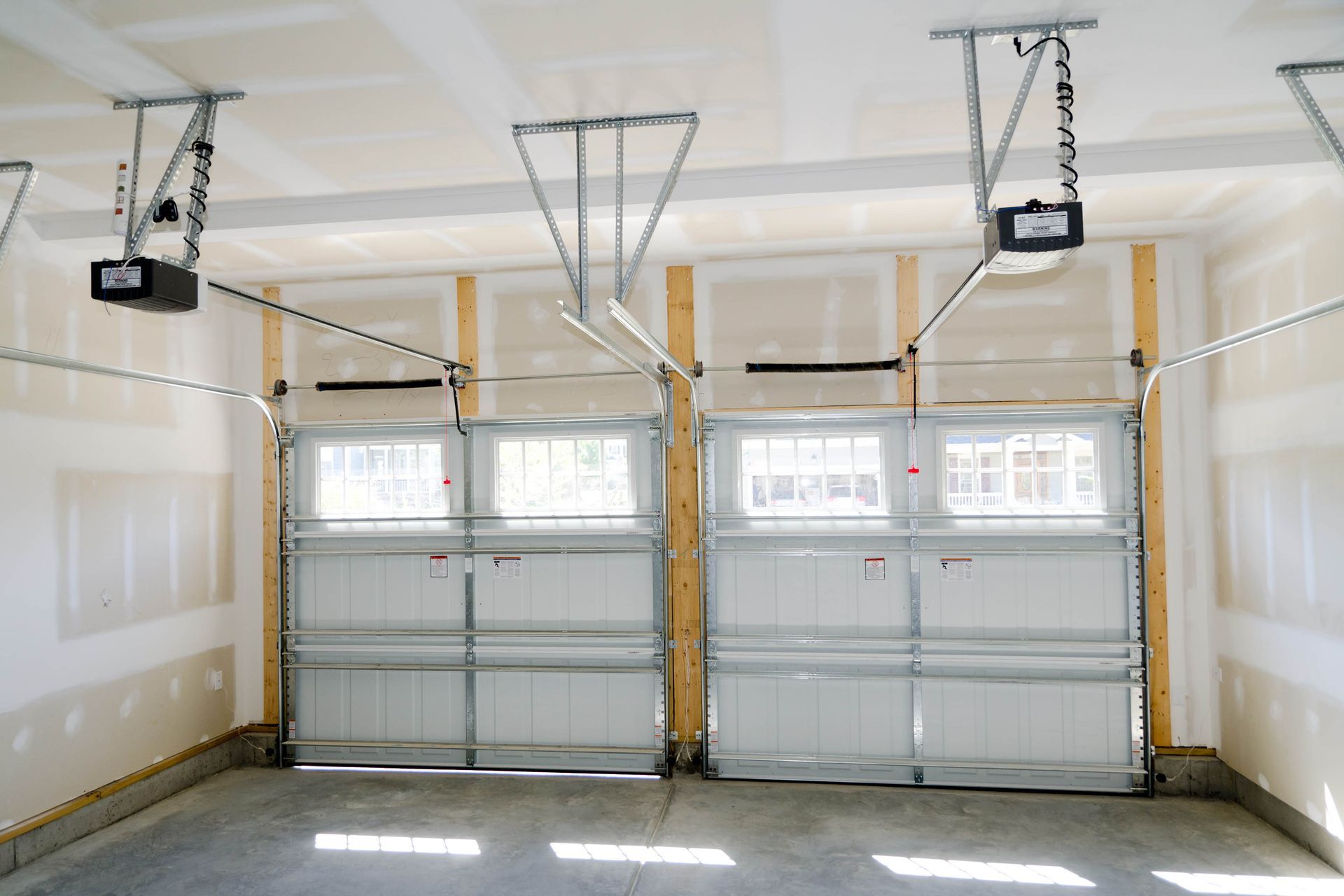
Unfortunately, garage door repairs are rarely as simple as they appear. Behind those panels is a system of high-tension springs, cables, tracks, and electronics that all have to work together perfectly. A small problem can quickly become a big one when the wrong fix is applied. Here's a closer look at why these jobs are more complicated than they seem and why it pays to leave them to trained technicians.
Springs Store Dangerous Amounts of Tension
Springs do most of the heavy lifting for your garage door. Whether your system uses torsion springs mounted above the door or extension springs running alongside the tracks, these components counterbalance the door's weight so it can open with minimal effort from you or your opener. In our experience, a typical double garage door can weigh anywhere from 150 to 400 pounds, and the springs hold enough stored energy to manage all of it.
That stored energy is exactly what makes spring work so dangerous. Releasing or winding a torsion spring requires winding bars, a precise number of turns, and a clear understanding of how the system is balanced. If a tool slips or a worn spring snaps during the process, the force can cause serious injuries in an instant.
This is why spring replacement tops the list of garage door repairs that should never be attempted without professional training. Choosing the correct replacement spring also matters, since a spring that's mismatched to the door's weight will wear out quickly and strain the opener.
Cables and Tracks Require Precise Alignment
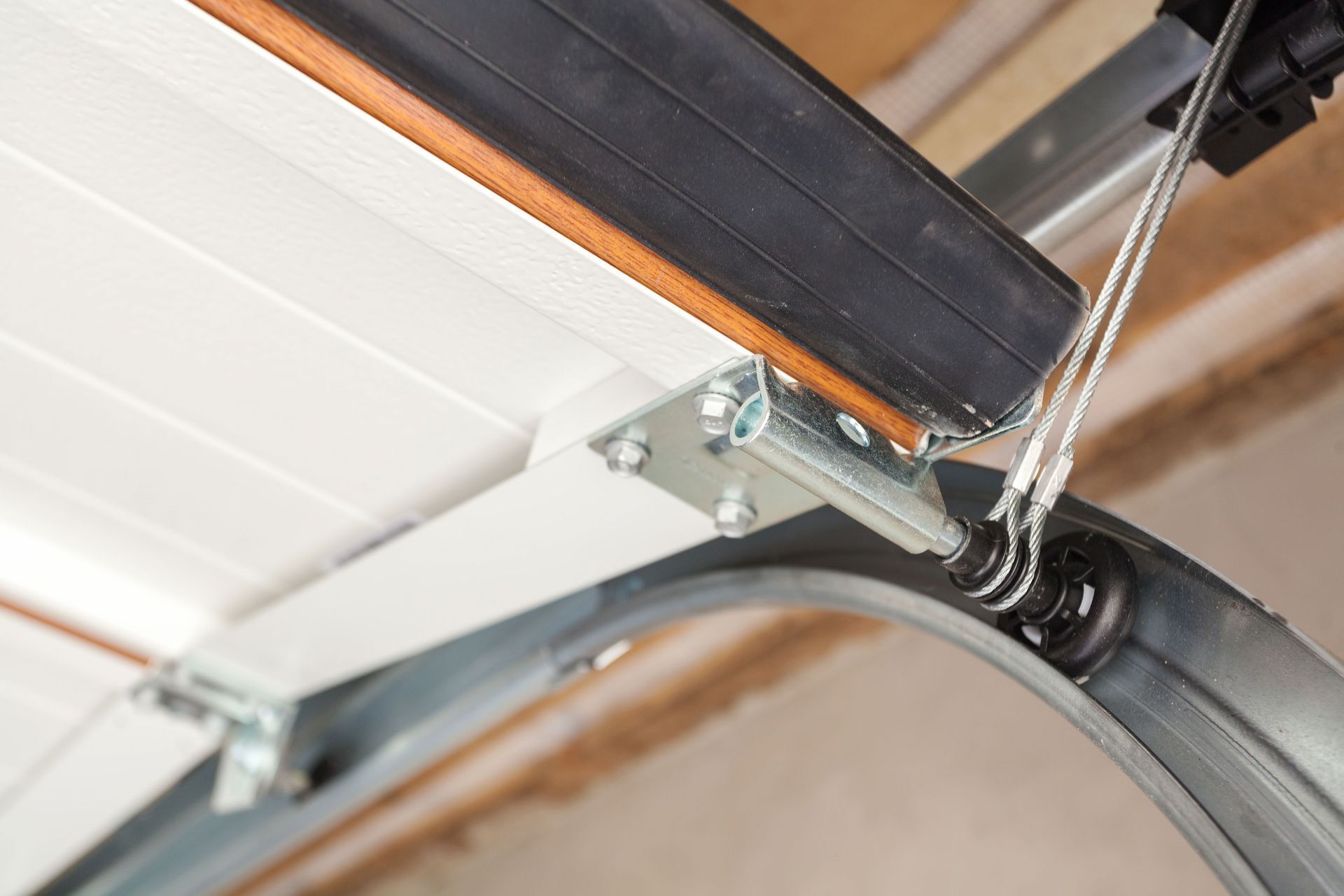
Lift cables work hand in hand with the springs, and they are under the same high tension. A frayed or snapped cable can cause the door to hang crooked, jam in the tracks, or drop unexpectedly. Replacing cables involves safely releasing spring tension first, then reattaching everything so the door lifts evenly on both sides.
Tracks and rollers add another layer of difficulty. The tracks need to be perfectly aligned and spaced for the rollers to glide smoothly. Even a slight bend can cause grinding noises, jerky movement, or a door that comes off its track entirely. An off-track door is especially hazardous because it may be only partially supported and could shift or fall without warning.
Straightening tracks, replacing worn rollers, and resetting a door that has jumped its track are garage door repairs that call for a careful, methodical approach and the right equipment. Rollers also wear out over time, and replacing them sometimes means removing brackets that connect directly to the spring system.
Openers and Sensors Involve Complex Systems
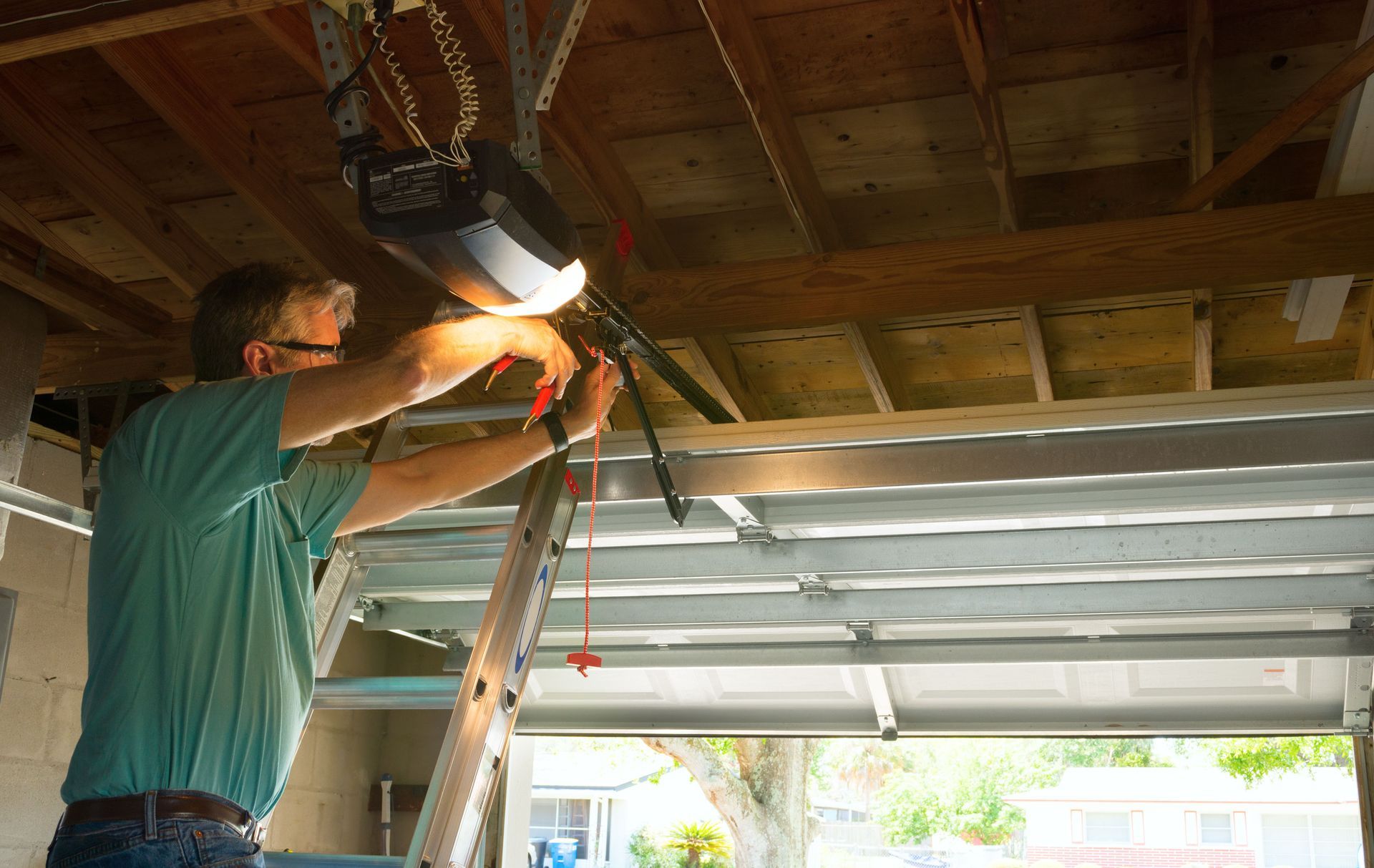
Modern garage door openers are far more sophisticated than they were a generation ago. Many include smartphone connectivity, battery backups, and built-in diagnostics, along with circuit boards, motors, gears, and limit settings that control how far the door travels. When an opener acts up, the cause could be anything from a stripped gear to a programming glitch to a problem with the door itself.
Openers also need to be matched to the door they're lifting. If a door is out of balance, the opener compensates by working harder, which can mask the real issue while wearing out internal parts. A technician will typically disconnect the opener and test the door's balance by hand before deciding whether the opener itself needs attention.
Safety sensors are another common source of trouble. These photo-eye sensors sit near the floor on either side of the door and send an invisible beam across the opening. If something interrupts the beam, the door reverses to prevent accidents. Misaligned, dirty, or damaged sensors can cause the door to reverse repeatedly or, worse, fail to reverse when it should. Because these features exist to protect your family and pets, electrical garage door repairs need to be done correctly and tested thoroughly afterward.
DIY Mistakes Can Lead to Serious Injuries
The risks of handling these components without proper training are well documented. According to Reiff Law Firm, an estimated 20,000 to 30,000 people across the U.S. are hurt in garage door accidents every year, which shows just how often these heavy systems cause harm. Pinched fingers, falling doors, and injuries from tension-loaded hardware are among the most common outcomes.
Even when a DIY attempt doesn't end in an injury, it can create new problems. An improperly adjusted spring can make the opener work harder than it should and burn out the motor early. A poorly secured cable might hold for a while and then fail weeks later.
Mistakes like these often turn a modest fix into a much larger expense, which makes professional garage door repairs the more cost-effective choice in the long run.
Symptoms Often Hide the Real Problem
One of the trickiest parts of any repair is figuring out what's actually wrong. A door that won't open could have a broken spring, a snapped cable, a faulty opener, or a sensor issue. Loud grinding might point to worn rollers, but it could also signal bent tracks or loose hardware. Treating the symptom without finding the root cause usually means the problem comes right back.
Trained technicians know how to inspect the entire system and trace an issue to its source. They can also spot related wear that homeowners might miss, such as a second spring nearing the end of its life or panels that have started to separate.
Catching these problems early allows garage door repairs to be handled in a single visit rather than through a series of frustrating fixes. Routine inspections and tune-ups help as well, since they allow small issues to be addressed before they turn into breakdowns.
Professionals Bring Training and the Right Tools
Experienced technicians have specialized tools, quality replacement parts, and hands-on knowledge of different door styles and opener brands. They understand how each component affects the others, so they can balance the door properly, adjust the opener's force settings, and confirm that every safety feature works before they leave. That level of thoroughness is difficult to match with a DIY approach. Many reputable companies also hold certifications from leading manufacturers, which helps their technicians stay current on the latest door and opener technology.
Working with professionals also gives you peace of mind. Reputable companies stand behind their workmanship, so if something isn't right, they'll come back and fix it. Many also offer emergency service, which matters when a broken door leaves your home unsecured or your car trapped inside. When it comes to garage door repairs, having a dependable team on call can save you time, money, and a great deal of stress.
Garage doors may look simple from the outside, but they rely on heavy components, high-tension parts, and precise electronics that all need to work in harmony. That's why garage door repairs are best left to trained technicians who can diagnose the true problem, complete the work safely, and keep your door running reliably for years to come.
If your garage door is noisy, stuck, or not closing the way it should, don't take chances with your safety. At Alco Overhead Doors LLC, we've been serving homes and businesses throughout Central Illinois since 1989. Our certified installers offer free estimates, 24/7 emergency service, and a one-year craftsmanship warranty on our work. Contact us today to schedule your garage door repairs.