June 15, 2026
A new garage door adds convenience, security, and curb appeal to your home, but it also requires regular upkeep to stay in excellent condition. Many homeowners focus heavily on choosing the right design, color, and material during installation, yet long-term performance depends just as much on consistent maintenance after the door is installed. Taking care of your investment early can help reduce unnecessary repairs and extend the life of important components.
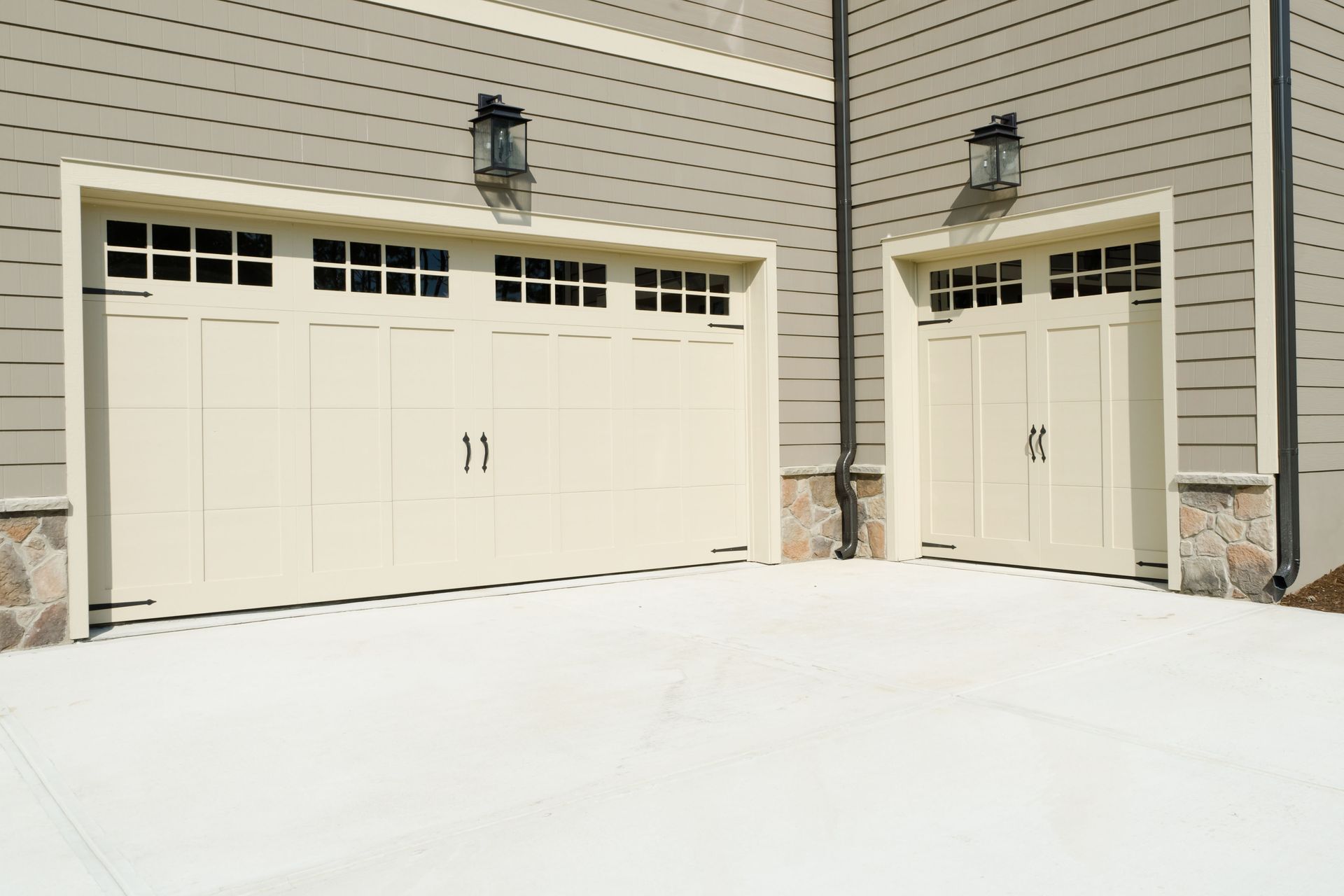
Modern residential garage doors are available in a wide range of styles and materials, from traditional steel doors to carriage house and contemporary designs. No matter which style you choose, every system contains moving parts that experience wear over time. Routine attention can help your door operate more smoothly while reducing strain on springs, tracks, rollers, and hinges.
Whether your garage door is made from steel, wood, vinyl, or glass, following a few practical maintenance habits can help protect both the appearance and function of the system. Here are three important ways to care for your new garage door and keep it operating reliably for years to come.
1. Keep Moving Parts Clean and Properly Lubricated
Inspect Rollers, Hinges, and Tracks Regularly
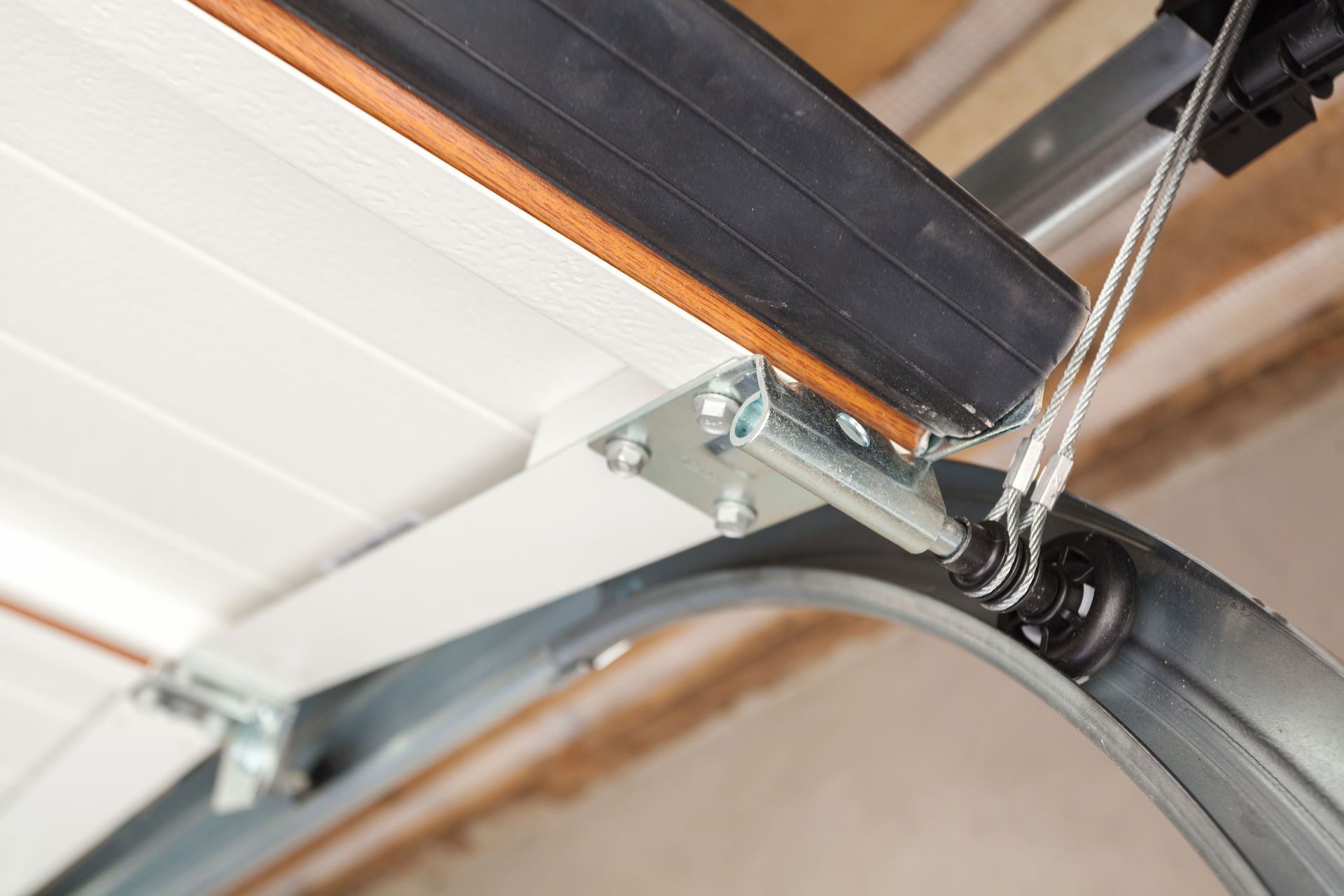
Your garage door relies on several moving components working together every day. Rollers glide along tracks while hinges allow sections of the door to bend and move smoothly during operation. Over time, dirt, dust, and debris can collect around these areas and interfere with proper movement.
Homeowners should visually inspect rollers and tracks every few months to look for buildup or signs of wear. Dirt accumulation may cause the door to move unevenly or create grinding noises during operation. Wiping down the tracks with a clean cloth can help remove debris that may otherwise affect performance.
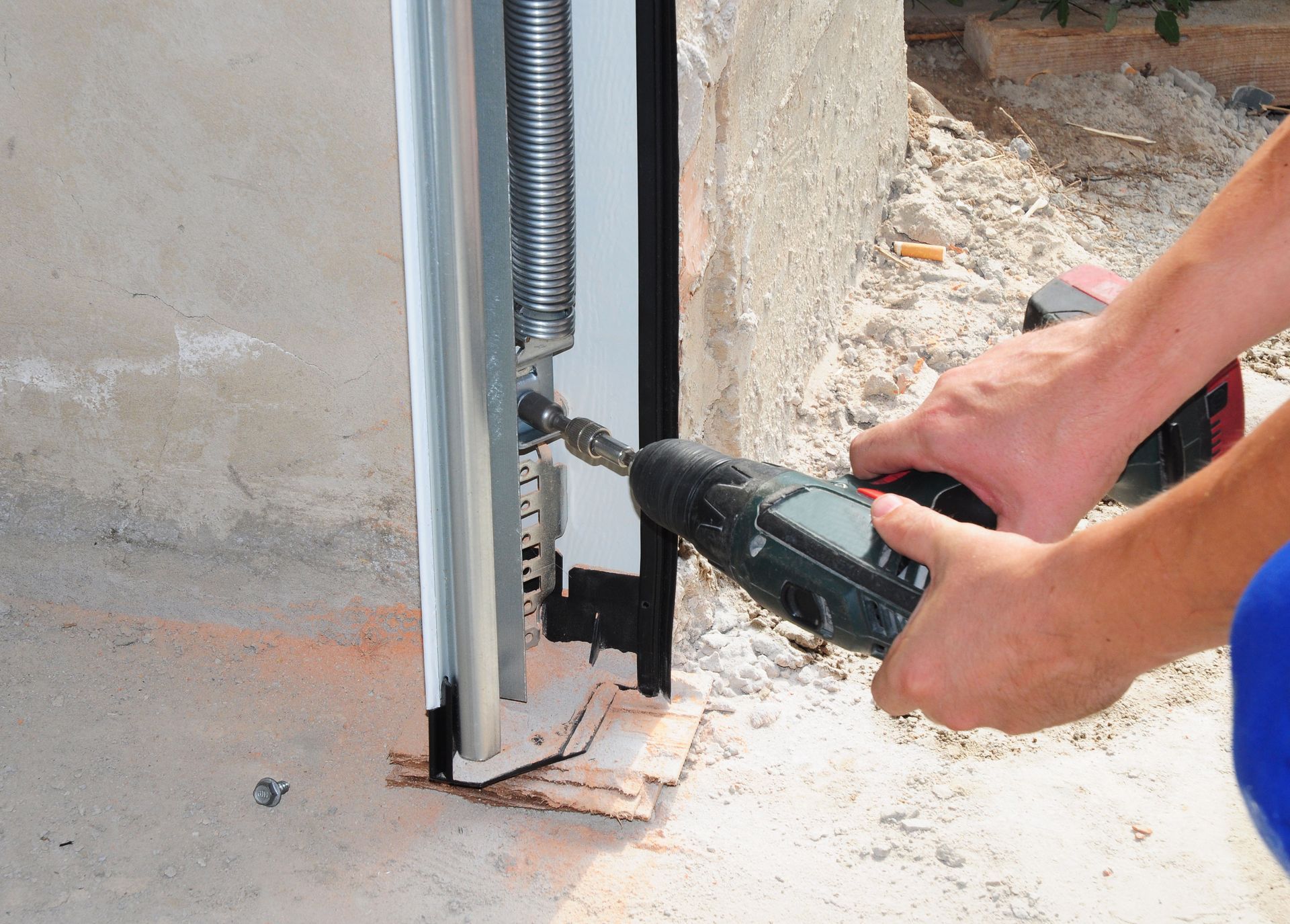
It is also important to pay attention to hardware that appears loose or worn. Vibrations from daily use may gradually loosen brackets or fasteners. Catching these issues early may help prevent unnecessary strain on the entire garage door system.
Keeping these components clean can improve how smoothly residential garage doors open and close throughout the year. Consistent inspections may also help identify small concerns before they require more extensive repairs.
Apply Lubrication to Reduce Friction
Lubrication plays a major role in garage door maintenance because it reduces friction between moving parts. Without proper lubrication, components may wear out faster and place additional pressure on the opener and springs.
Homeowners should use a garage door lubricant designed specifically for metal components. Applying lubricant to rollers, hinges, springs, and bearings can help maintain smooth movement while reducing squeaking or grinding noises. However, tracks generally should not be heavily lubricated because excess buildup may attract additional dirt.
Routine lubrication is especially useful in climates where seasonal temperature changes affect metal components. Dry conditions or cold weather may increase stiffness in moving parts, causing the system to work harder than necessary.
2. Protect the Exterior Finish From Wear and Damage
Clean the Door Surface Throughout the Year
The exterior surface of a garage door is constantly exposed to weather conditions, dirt, moisture, and debris. Regular cleaning helps preserve the appearance of the door while preventing long-term damage to finishes and materials.
Steel and aluminum doors typically benefit from gentle washing with mild soap and water. Homeowners should avoid harsh chemicals that could damage protective coatings or paint finishes. Wood doors may require more specialized care depending on the stain or sealant used during installation.
Cleaning the surface several times each year can help remove buildup that may contribute to discoloration or corrosion. This is especially important for homes exposed to road salt, humidity, or heavy storms.
A clean garage door also enhances curb appeal and helps maintain the overall appearance of the property. Since residential garage doors often occupy a large portion of the home's exterior, proper care can make a noticeable difference in visual presentation.
Inspect Weather Seals and Bottom Stripping
Weather seals help protect the garage interior from moisture, debris, pests, and outdoor air. Over time, these seals may crack, flatten, or wear down due to exposure and repeated use.
Homeowners should inspect the bottom seal and perimeter weather stripping regularly to ensure there are no visible gaps. Damaged seals can allow rainwater, dirt, or cold air to enter the garage, potentially affecting stored belongings and interior comfort.
Replacing worn weather stripping may also improve energy efficiency in garages connected to the home. Proper sealing helps reduce drafts and limit unwanted moisture intrusion during seasonal weather changes.
Maintaining these protective barriers is an important part of preserving residential garage doors and the surrounding structure. Small seal replacements can often prevent larger maintenance concerns later.
3. Test Safety Features and Monitor Door Balance
Check the Auto-Reverse Safety Mechanism
Garage door safety features are designed to help protect people, pets, and vehicles from injury or damage. One of the most important components is the auto-reverse system, which causes the door to reverse direction if it encounters an obstruction.
Homeowners can test this feature by placing a small object, such as a piece of wood, beneath the door while closing it. If the door does not reverse after contacting the object, the system may require adjustment or repair.
Photo-eye sensors should also be checked regularly. These sensors are usually located near the bottom of the tracks and prevent the door from closing when something blocks the beam. Dirty or misaligned sensors may interfere with proper operation.
Maintaining safety systems is an essential part of caring for residential garage doors. Regular testing helps ensure the door continues operating safely for everyone in the household.
Monitor the Door's Balance and Movement
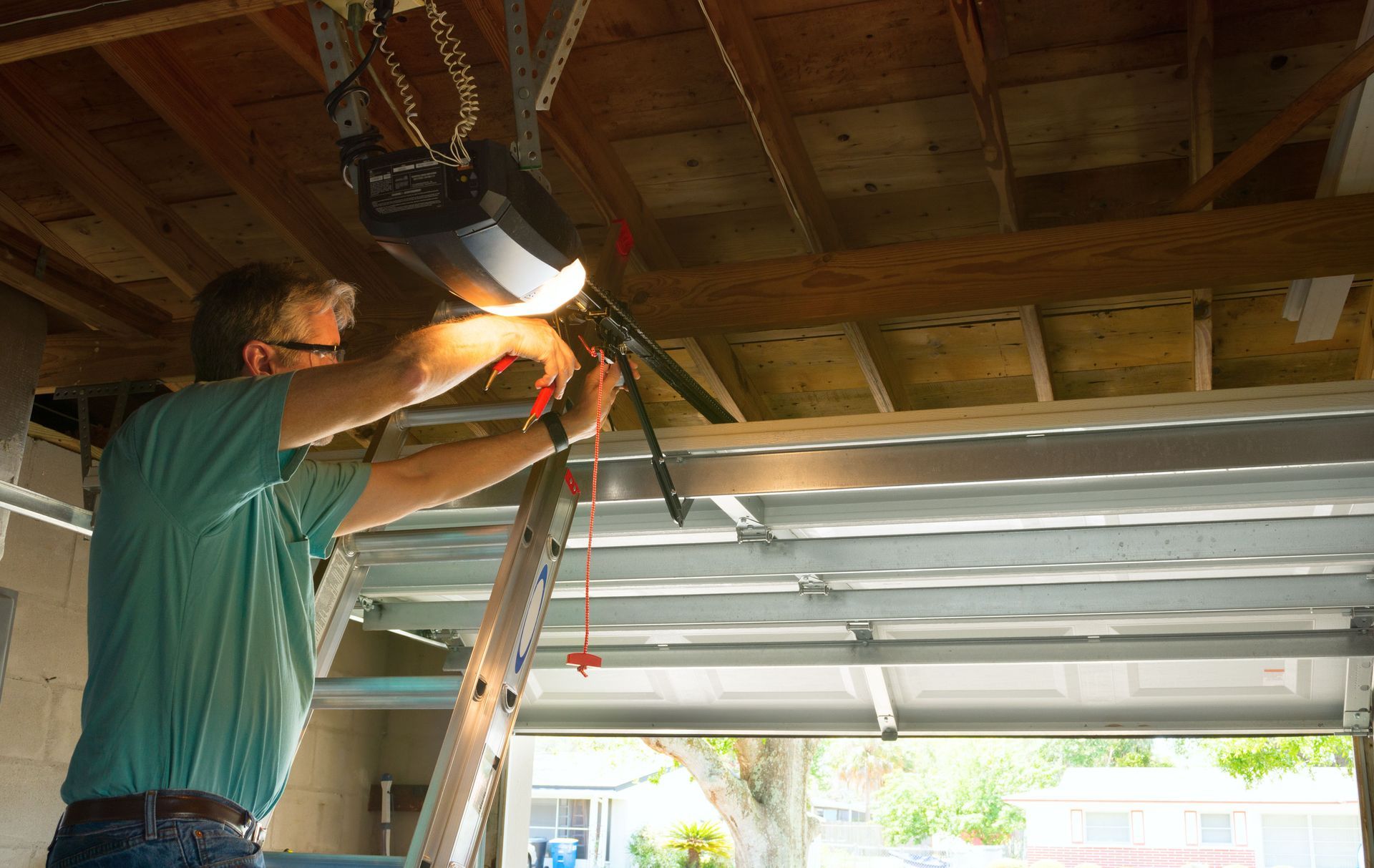
A properly balanced garage door should move smoothly without placing excessive strain on the opener. If the door becomes unbalanced, components may wear unevenly and increase the likelihood of mechanical failure. Garage door springs are one of the most heavily used components in the system, which is why monitoring balance is so important.
According to This Old House, extension springs generally last between seven and 12 years, while torsion springs often last eight to 15 years. Keeping the door properly balanced may help reduce unnecessary strain on these parts and support longer-lasting performance. Uneven movement during operation may also indicate alignment issues or worn components.
Jerky motion, slow response times, or gaps beneath the door should not be ignored. Monitoring the balance regularly can help extend the lifespan of residential garage doors and reduce unnecessary stress on important parts. Professional inspections are often recommended if balance concerns develop.
Keeping a new garage door in excellent condition requires consistent attention, but regular maintenance does not need to be complicated. Cleaning moving parts, protecting exterior finishes, and testing safety systems can go a long way toward preserving performance and appearance. Small maintenance habits performed throughout the year may help prevent larger repair issues later.
Homeowners who stay proactive with inspections and routine care often experience smoother operation, quieter performance, and longer-lasting hardware. A well-maintained garage door also contributes to the overall security, efficiency, and curb appeal of the home. By following these practical maintenance tips and seeking professional assistance when necessary, homeowners can help ensure their garage door continues functioning reliably for years to come. For more expert information on maintaining your residential garage doors , reach out to Alco Overhead Doors LLC!