March 4, 2026
Most homeowners only think about their garage door when it “suddenly stops working,” but in many cases, the issue traces back to worn, damaged, or broken springs. These springs carry the full weight of the garage door, making it possible to lift and lower safely and smoothly. When one of them fails, the door may become extremely heavy, uneven, or completely stuck. Because spring failures are both inconvenient and dangerous, understanding what happens during garage door spring repair can help homeowners feel more confident and prepared throughout the process. Whether you are experiencing a sudden breakdown or scheduling preventative maintenance, knowing what to expect ensures a smoother and safer experience from start to finish.
How Initial Assessments Help Diagnose Spring-Related Issues
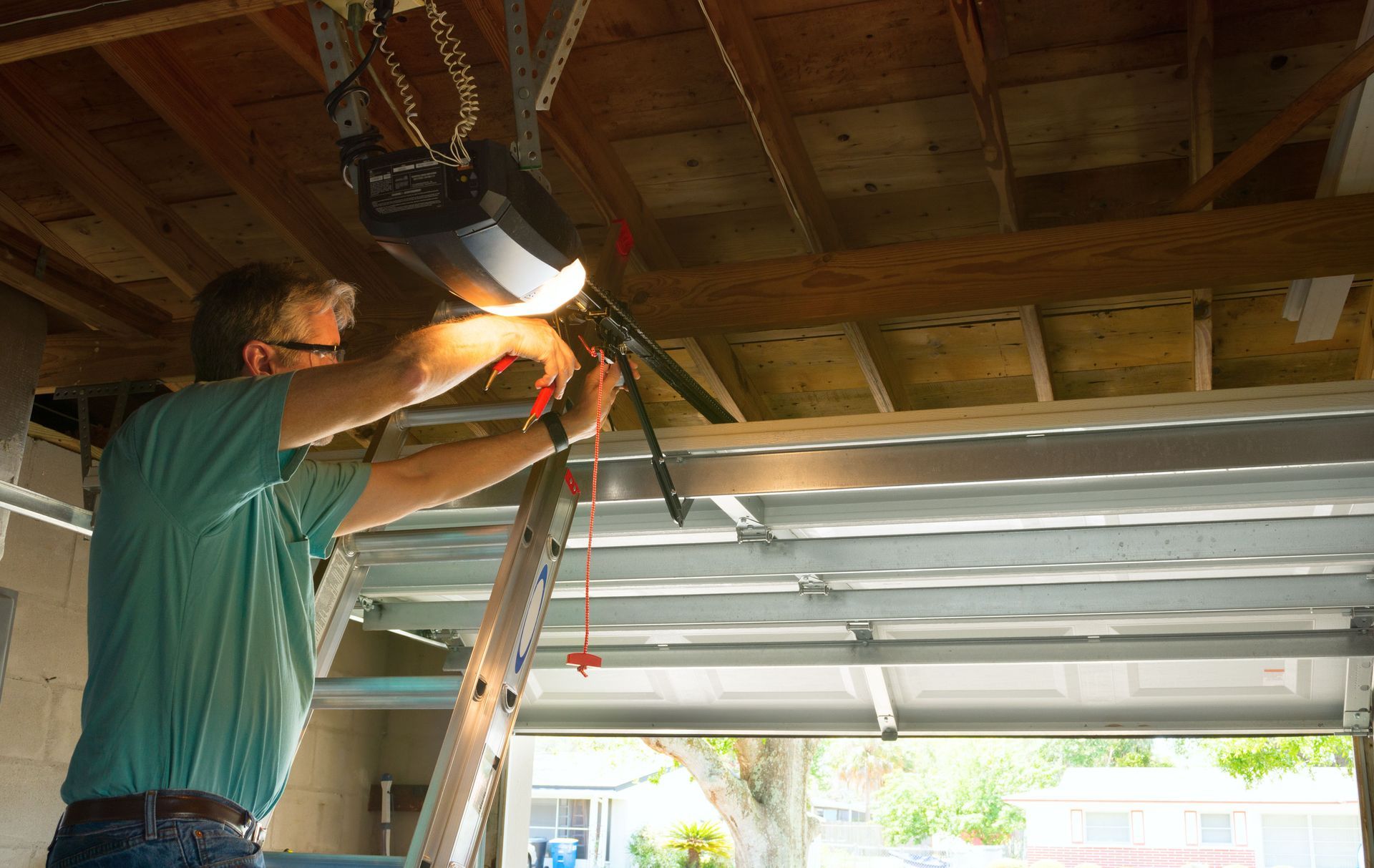
The first step in any garage door spring repair job is a thorough inspection of the system. When a technician arrives, they will evaluate the door’s weight balance, movement, and overall condition to determine the exact cause of the problem. Even though most homeowners assume the spring is the issue, additional components like cables, bearings, and the shaft may also show signs of stress or wear.
During the inspection, the technician will check whether the door can be operated manually without excessive resistance. If the door slams shut or drops unevenly, it typically indicates spring tension loss or a full spring break. The professional will also look for visible gaps in torsion springs, fraying cables, or misaligned tracks. Because garage doors operate under intense tension, trained specialists follow strict safety procedures before proceeding. This diagnostic phase ensures the repair plan is accurate and reduces the likelihood of unexpected issues arising later.
Homeowners often choose to rely on professionals because garage door spring repair requires specialized tools and knowledge. The assessment phase helps establish whether the springs need adjustment, full replacement, or additional system maintenance to restore safe operation.
How Technicians Identify the Correct Spring Type for Replacement
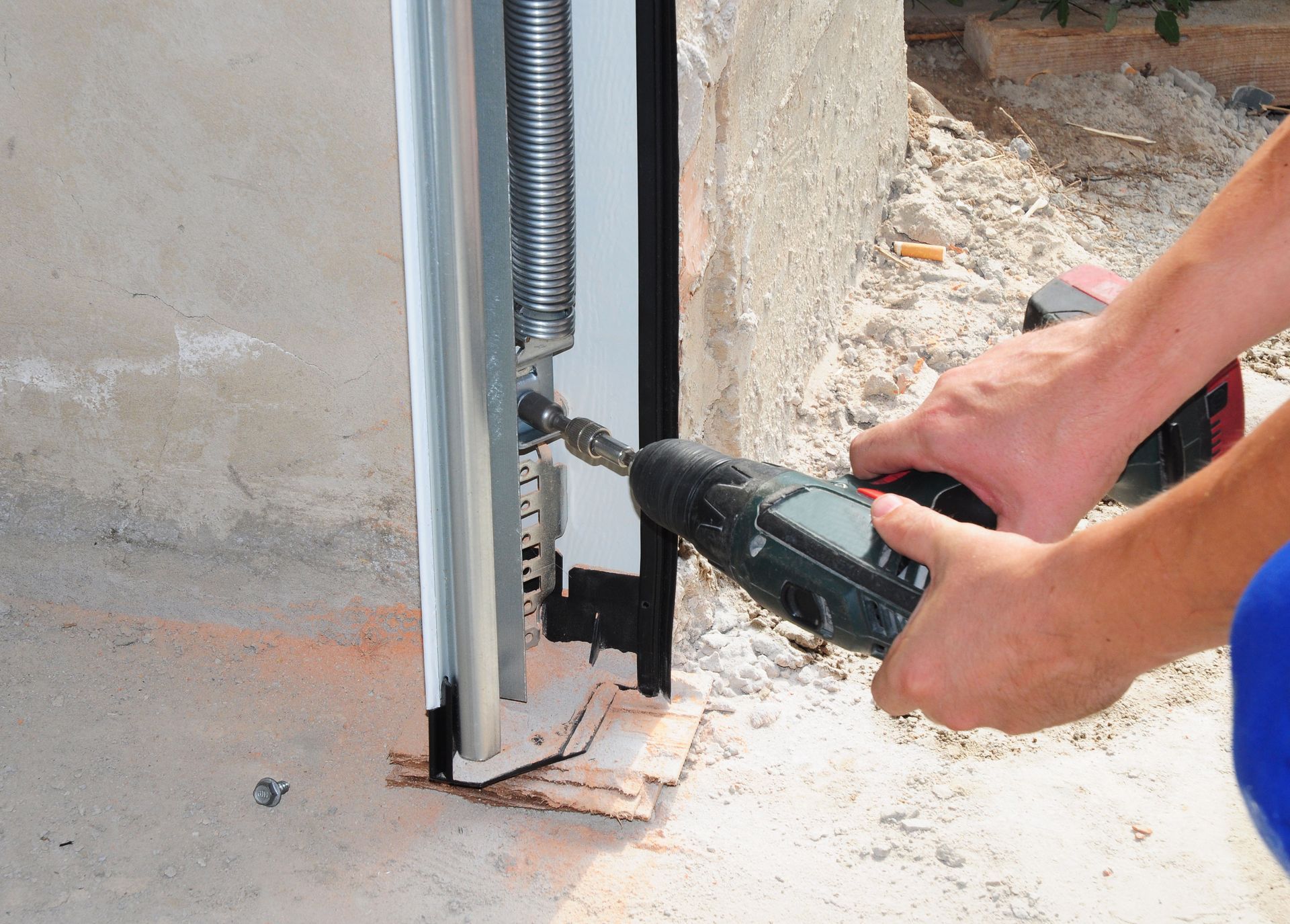
Garage doors use different types of springs depending on the design of the system. Torsion springs sit above the door and twist to create the necessary lifting torque, while extension springs run along the sides and stretch to counterbalance the door’s weight. A major part of garage door spring repair involves determining which spring type is installed and what replacement is required.
Different door sizes, materials, and weights dictate which springs are necessary. For example, an oversized insulated door requires significantly stronger springs than a lightweight single-panel model. An important industry detail is that According to This Old House, torsion springs, which operate by twisting to create tension, may come at a higher upfront cost, but they reward you with extended durability, typically lasting eight to 15 years. This insight helps homeowners understand why spring selection matters and why choosing the right replacement can maximize the life span of the repair.
Technicians will measure the spring’s length, coil diameter, wire size, and overall configuration to ensure the new part matches the required specifications. By selecting the right spring type, professionals ensure that the repaired door will function smoothly and maintain proper balance.
How Safety Precautions Protect Homeowners and Technicians
Garage door springs store an enormous amount of tension, and that tension can release suddenly when a spring breaks. This makes safety precautions one of the most essential parts of garage door spring repair. Even experienced technicians take careful steps before loosening or winding springs. They disconnect the automatic opener, secure the door to prevent sudden movement, and use professional-grade winding bars designed for the job.
Homeowners often underestimate how dangerous DIY spring repair can be. Without proper tools, technique, and experience, individuals risk serious injury or property damage. Technicians follow strict protocols when adjusting or removing springs, ensuring that tension is released gradually and controlled at every step.
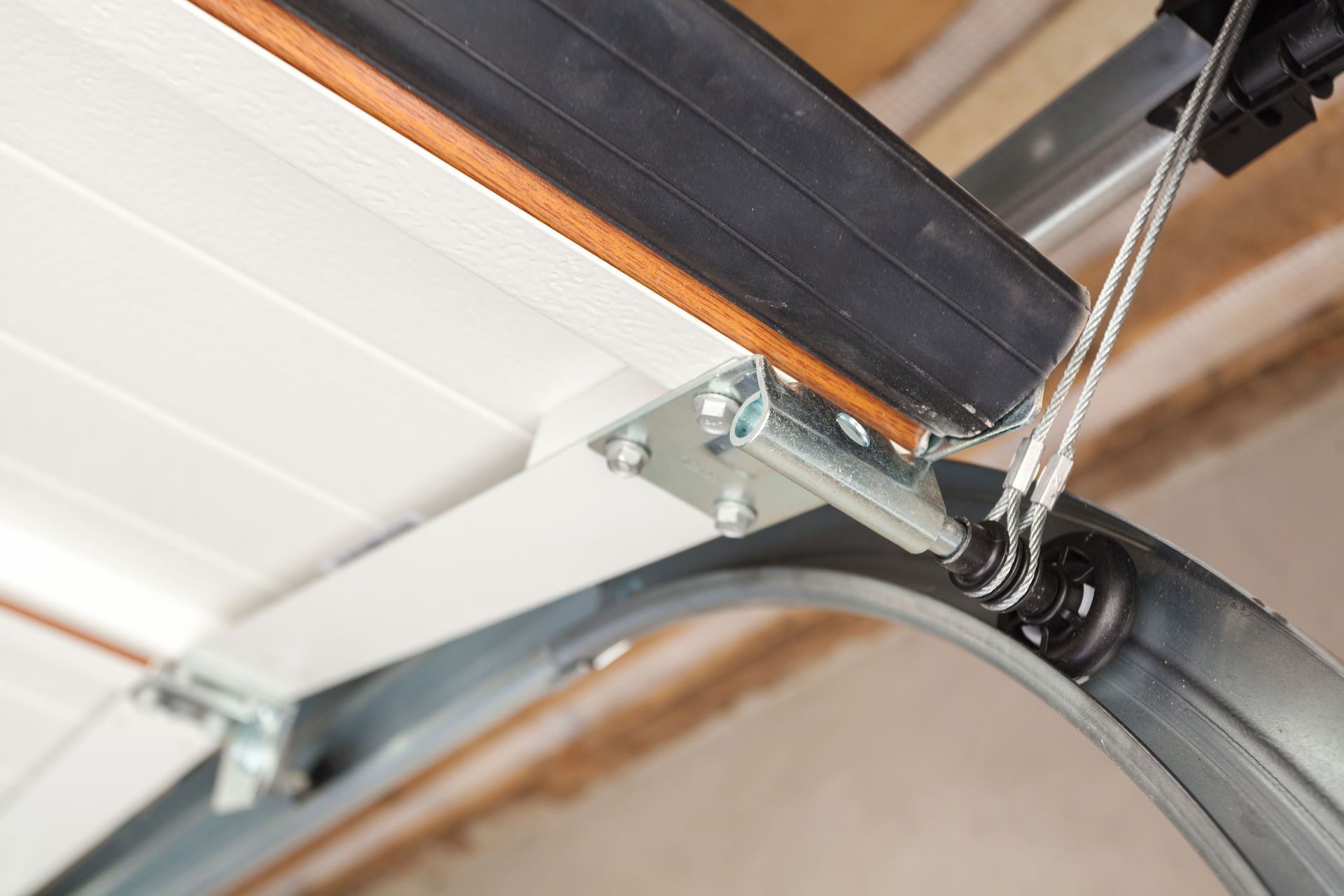
Safety extends beyond handling the springs themselves. Technicians also inspect surrounding hardware to confirm that brackets, shaft components, and anchor points are strong and secure. Since a repaired spring will place renewed force on the system, these supporting components must also be in proper condition to ensure the door operates safely after the repair.
How Spring Removal and Replacement Are Performed
Once safety measures are in place, the technician begins the process of removing the faulty spring. For torsion systems, the tension must be carefully unwound using winding bars. Once the torsion spring no longer holds tension, the technician loosens it from the shaft and slides it off. For extension spring systems, the technician disconnects the safety cable and detaches the spring from its mounting points in a controlled manner.
Replacing the spring requires attention to detail. The technician installs the new spring on the torsion bar or attaches the extension spring to the correct anchor points. They then secure all fasteners, verify cable alignment, and prepare the system for rewinding or re-balancing.
This replacement process is a major component of garage door spring repair, and even minor mistakes can lead to premature spring failure. Proper installation ensures longevity, even performance, and safe operation.
How Winding and Balancing Restore Smooth Operation
After the new spring is installed, the technician must wind or tension it to the manufacturer’s specifications. The winding process is extremely precise, as adding or removing even a quarter turn of tension can affect the door’s balance. The goal is for the door to stay in place when manually lifted halfway and to open and close evenly without jerking or hesitating.
Correct balancing ensures the opener does not strain when lifting the door. If the door is too heavy, the opener may wear out faster or fail prematurely. If the spring is over-tightened, the door may fly upward unexpectedly. This step of garage door spring repair is where the technician fine-tunes the system to achieve smooth, controlled performance.
The balancing process also allows the technician to verify that the cables, drums, and bearings are functioning correctly. Any abnormalities in movement or sound will be addressed before the job is completed.
How System Testing Confirms a Successful Repair
Testing is essential to ensure that every part of the garage door system operates correctly after the spring has been repaired or replaced. The technician will reconnect the opener, test manual operation, and activate the door through several open and close cycles. This confirms that the new spring is functioning properly under load and that the opener’s force settings are appropriate.
During testing, professionals listen for unusual noises, check for vibration, and observe the travel path of the door. They may adjust opener settings to ensure smooth starts and stops. They also verify that safety sensors are aligned and that the door reverses correctly if an obstruction is detected.
This testing stage allows homeowners to see the results of the repair first-hand and ensures confidence in the restored performance. A thorough test is one of the most important elements of professional garage door spring repair and helps prevent issues from arising after the technician leaves.
Understanding what happens during garage door spring repair helps homeowners feel better prepared when problems arise. From the initial inspection to selecting the correct spring type, performing safe removal and installation, balancing the door, and completing final tests, each step contributes to a reliable and long-lasting repair. By relying on trained professionals, homeowners protect themselves, their property, and the performance of their garage door system. For dependable service, expert guidance, and long-lasting results, contact Alco Overhead Doors LLC.